
The platform
Bradesco Expresso is a solution created to bring bank services to places where there are few or no bank branches. Through this platform, local shops can act as bank partners. They offer financial services to the public and make extra money for their own business.
As the market changed and users expected more, we needed to improve the platform’s digital experience. The goal was clear: update the system, make daily tasks smoother, and make the app easier to use for both our partners and our internal teams. This is why I joined the project to redesign the platform.
The challenge
For many years, a big part of the experience relied on old flows and slow screens. People mostly used it through pinpad machines with many limits.
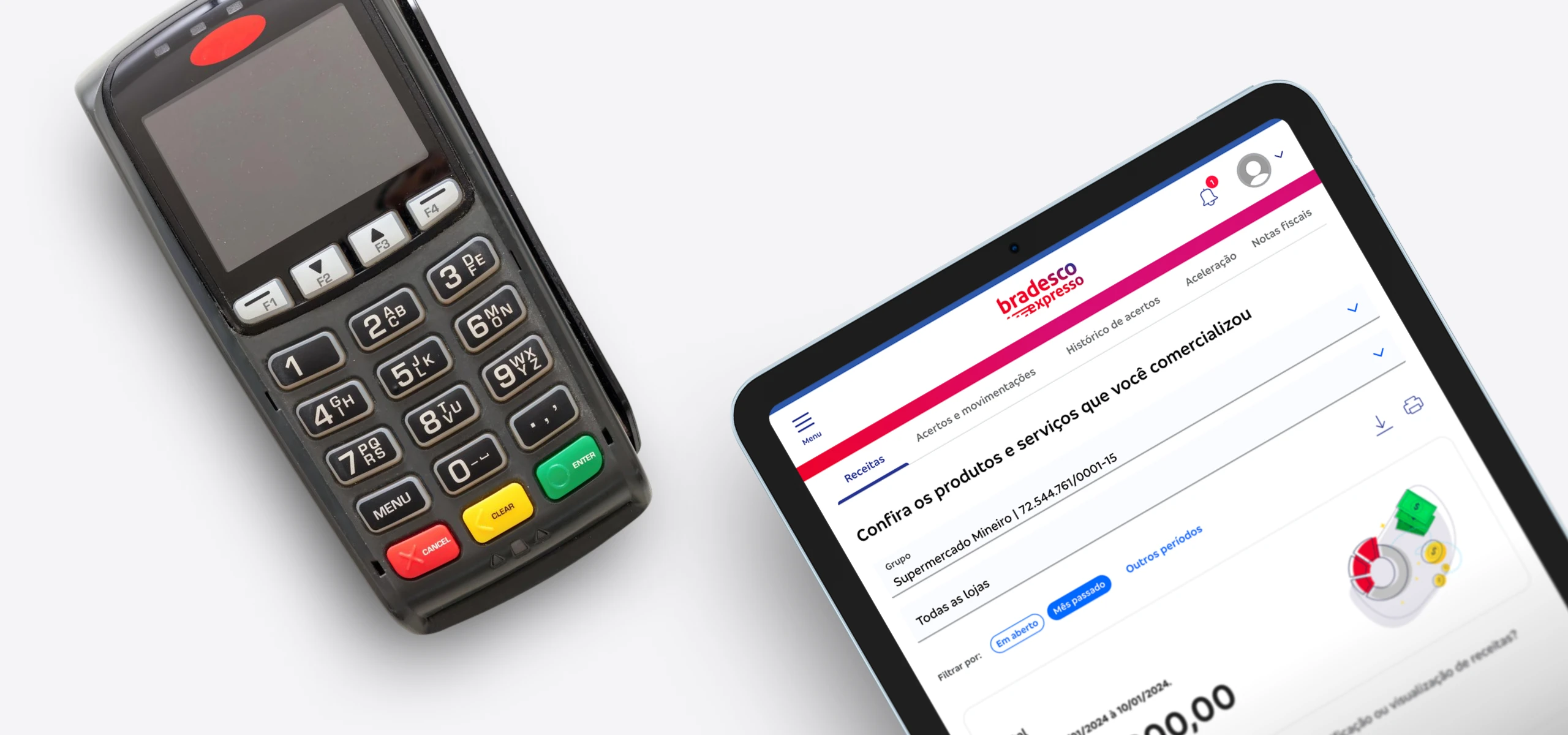
This setup made things hard for both the partners and the bank’s internal teams. Some tasks took too many steps, it was hard to find things, and there were clear chances to make the whole experience simpler.
The challenge wasn’t just to make the product look better. It was about improving the daily routine of a platform that is already used every day all over Brazil.
My role in the project
I worked directly on redesigning key steps of the platform, creating solutions for both the partners and the bank’s internal teams. My job was to find ways to improve, build new user flows, design screens, and organize files for the developers so they could work clearly and quickly. Some of the main things I did were:
Welcome journey and moving to the new platform
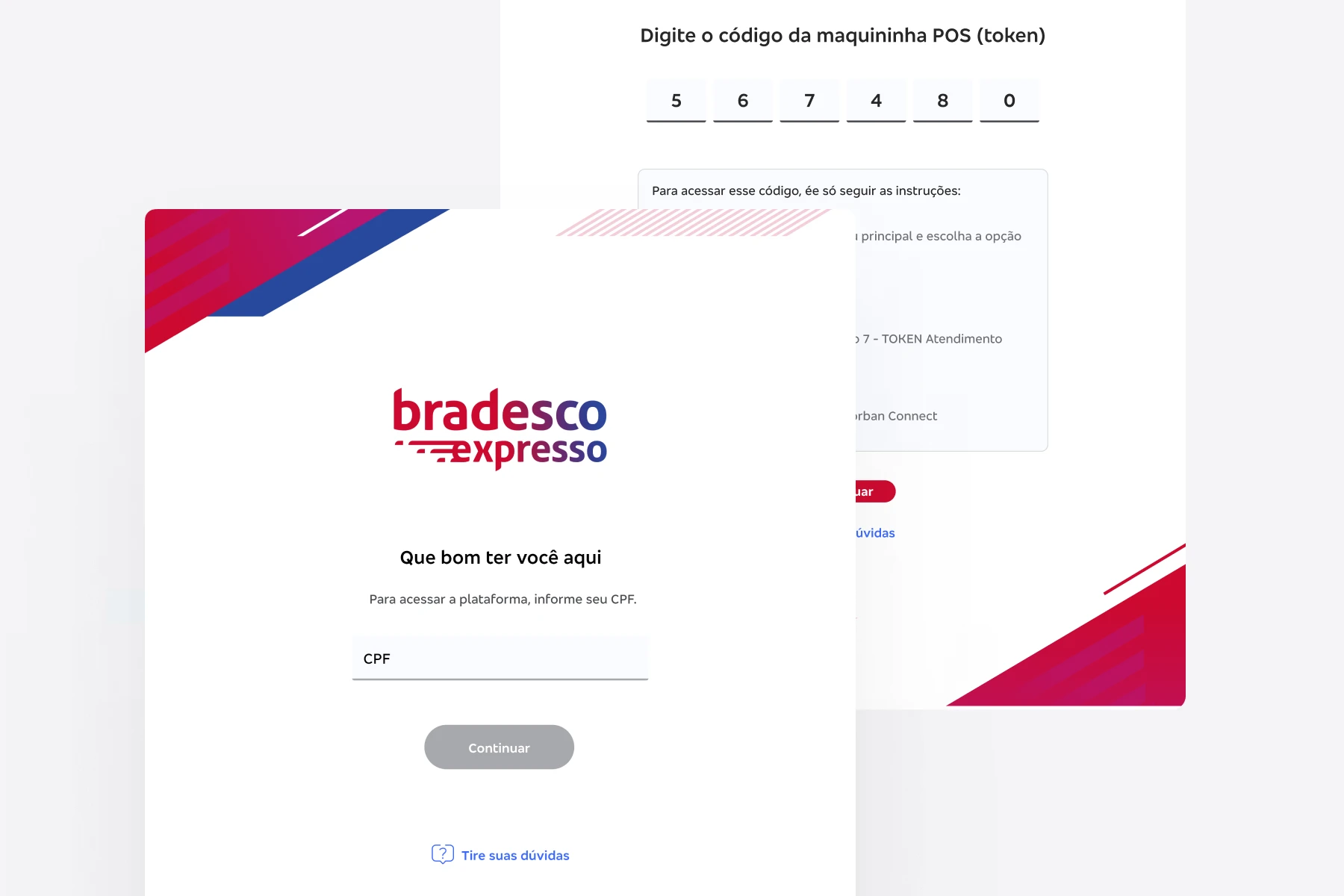
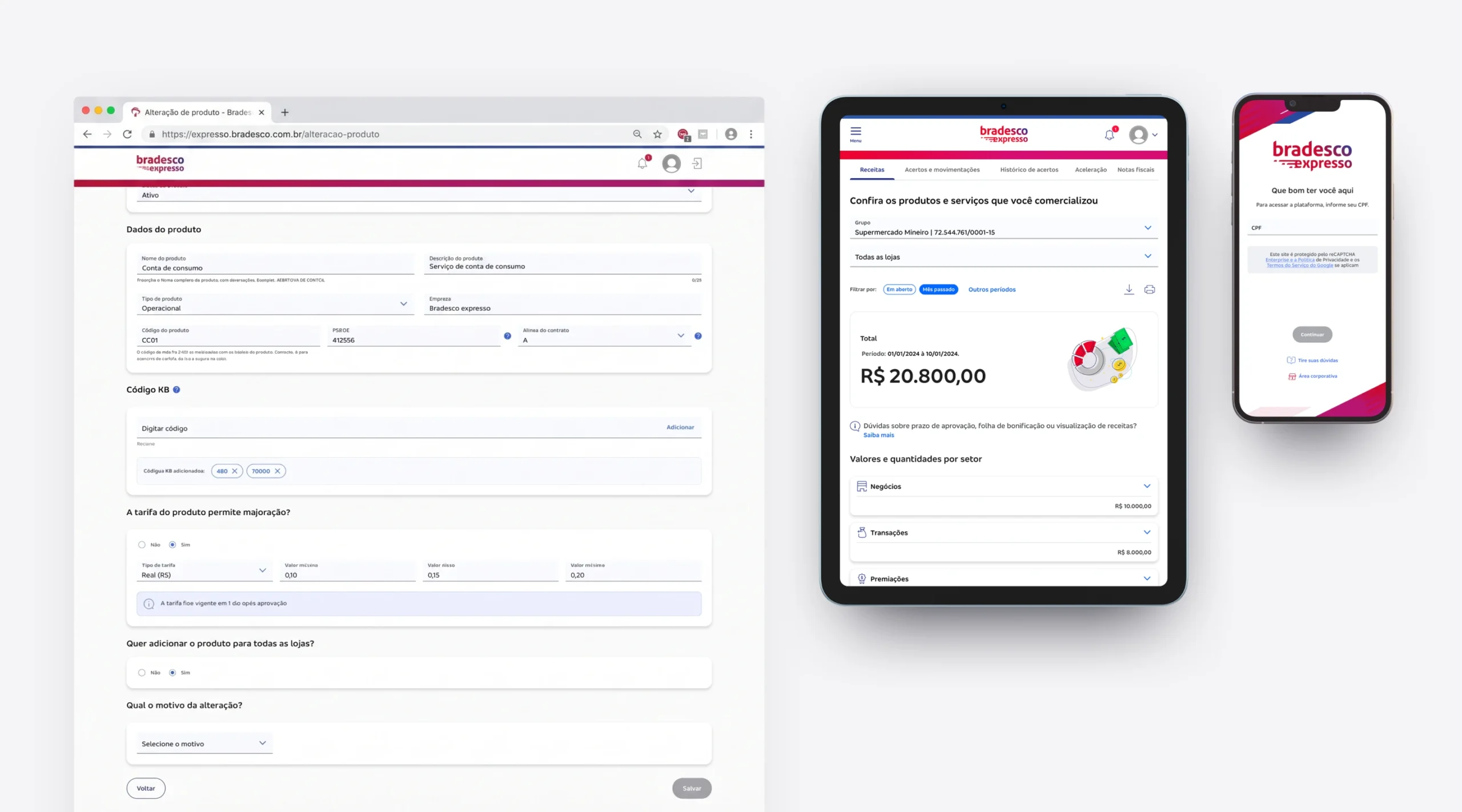
One of my first big tasks was creating the welcome steps for users moving to the new system. This flow needed to clearly show the benefits of the change, make users feel safe during the switch, and guide them through the first setup easily. This first contact was very important for how they saw the new platform, so I designed the experience to be clear and build trust right from the start.
Money management and operations
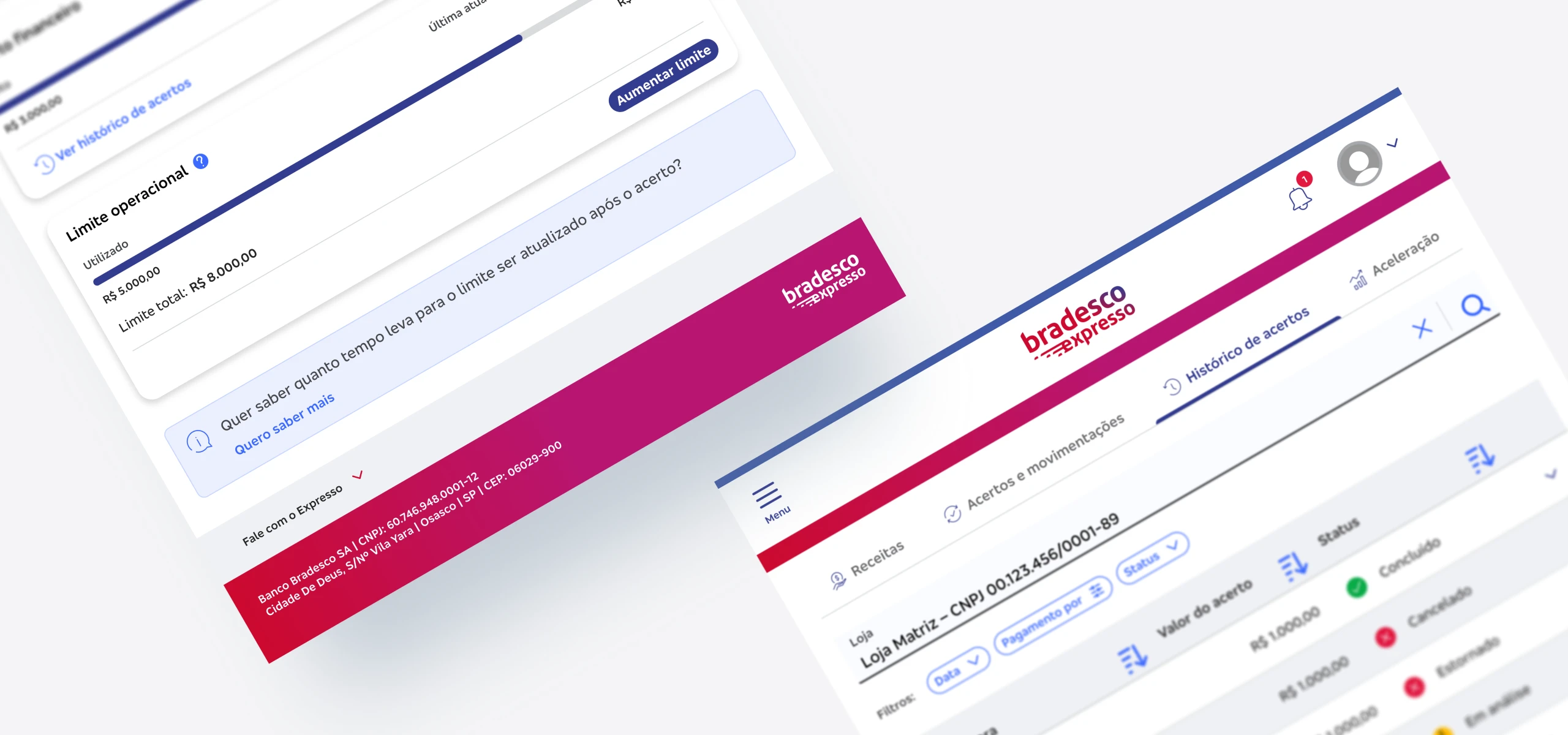
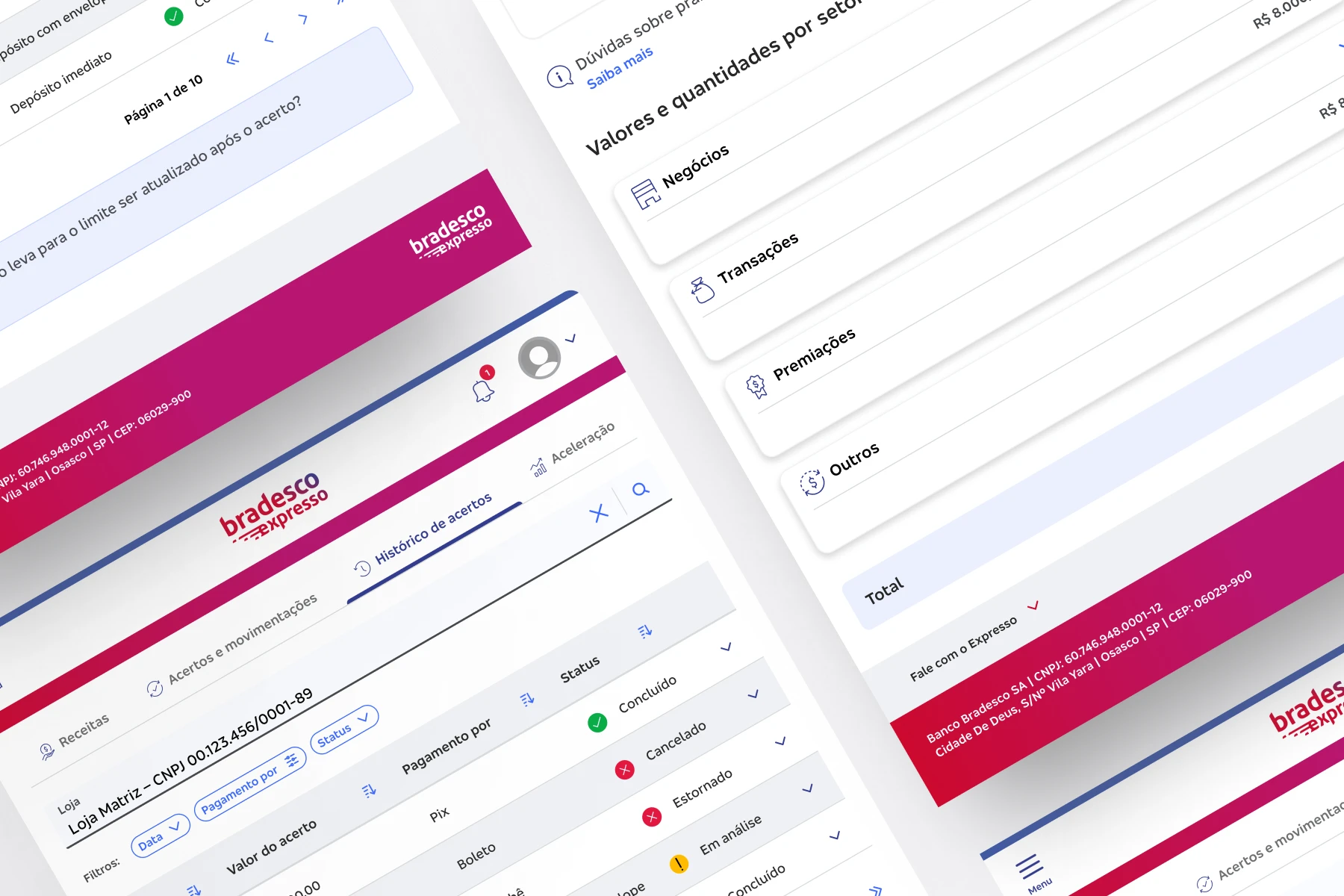
Besides the onboarding journey, I also helped redesign the flows for managing money and the daily tasks on the platform. I worked on screens for checking income, organizing tasks, and managing services. My goal was always to make things less complicated and make repeated tasks easier.
Internal solutions for bank teams
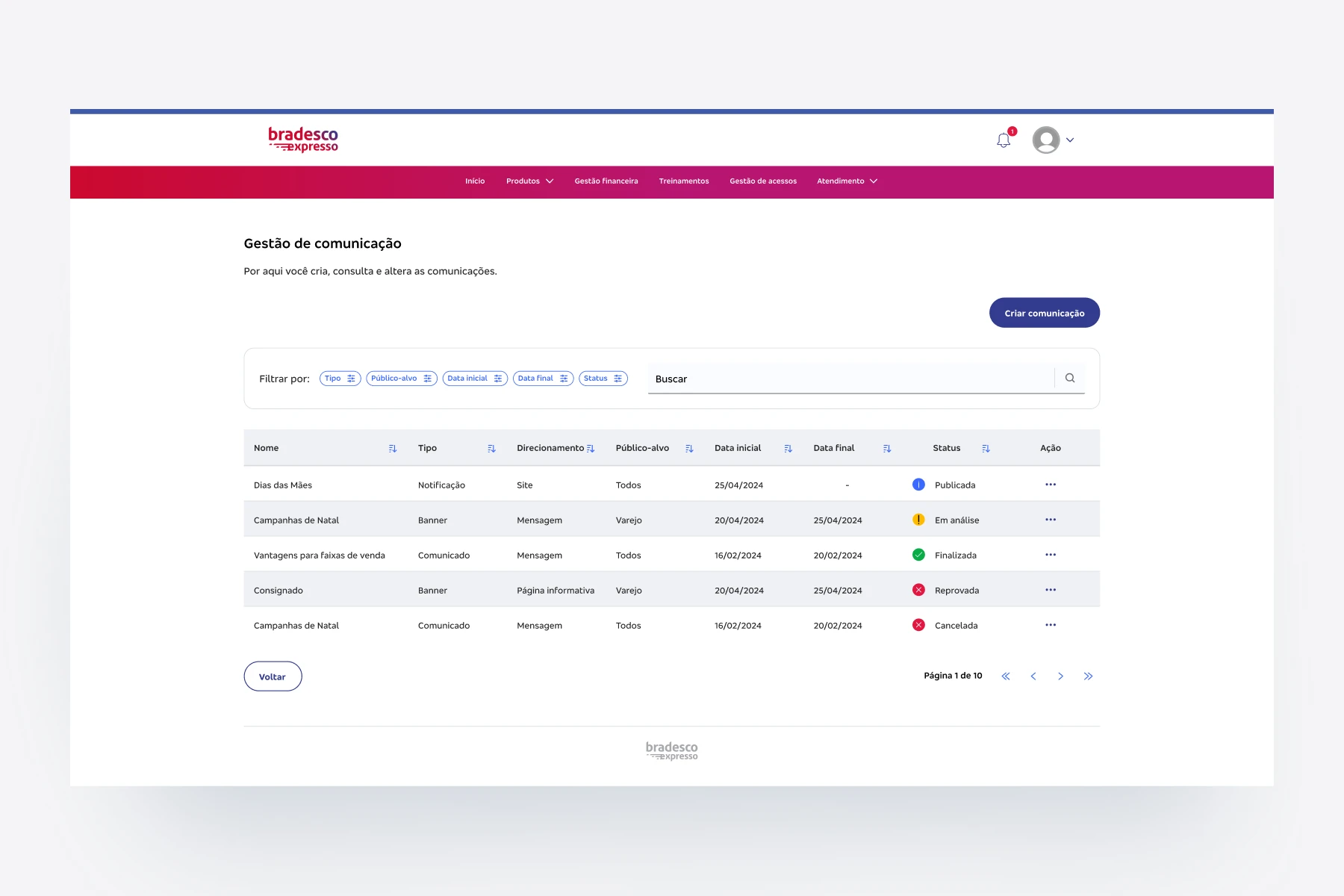
A big part of what I delivered was for internal users. Even though they are work tools, I took the same care with the experience, visual consistency, and ease of use. This is important because good experiences shouldn’t only be for the final product, but also for the internal systems that keep everything running smoothly.
Creation process
The way I worked was based on quick cycles of teaming up and testing, inspired by Design Sprint rules but adapted to this project.

The situation required constant talks between different areas. A big part of the process was sharing ideas fast, talking about solutions with the team, and organizing files so they could be built without slowing down the developers. This helped us deliver things fast without losing quality or causing confusion between the teams.
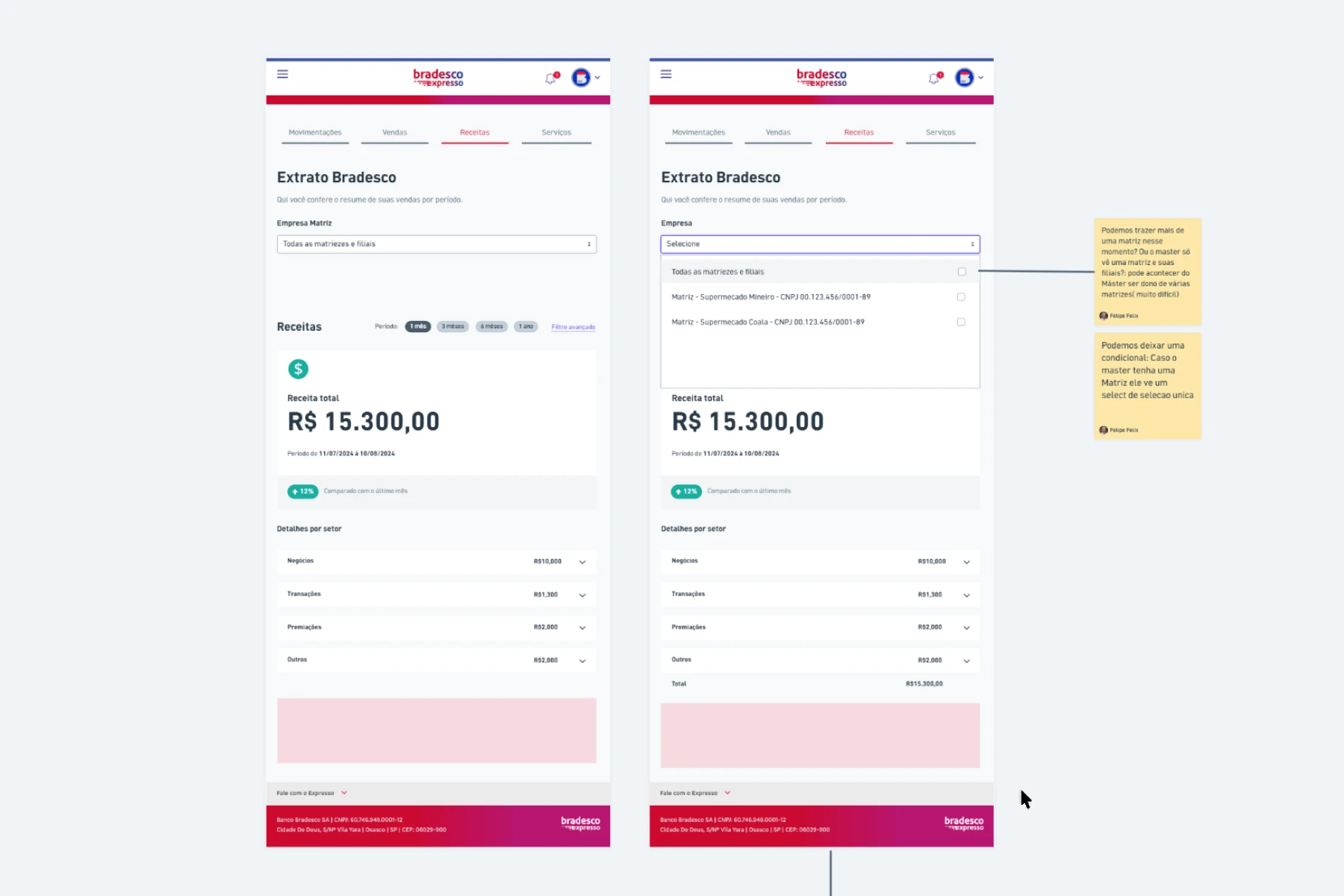
Organizing in Figma and handoff
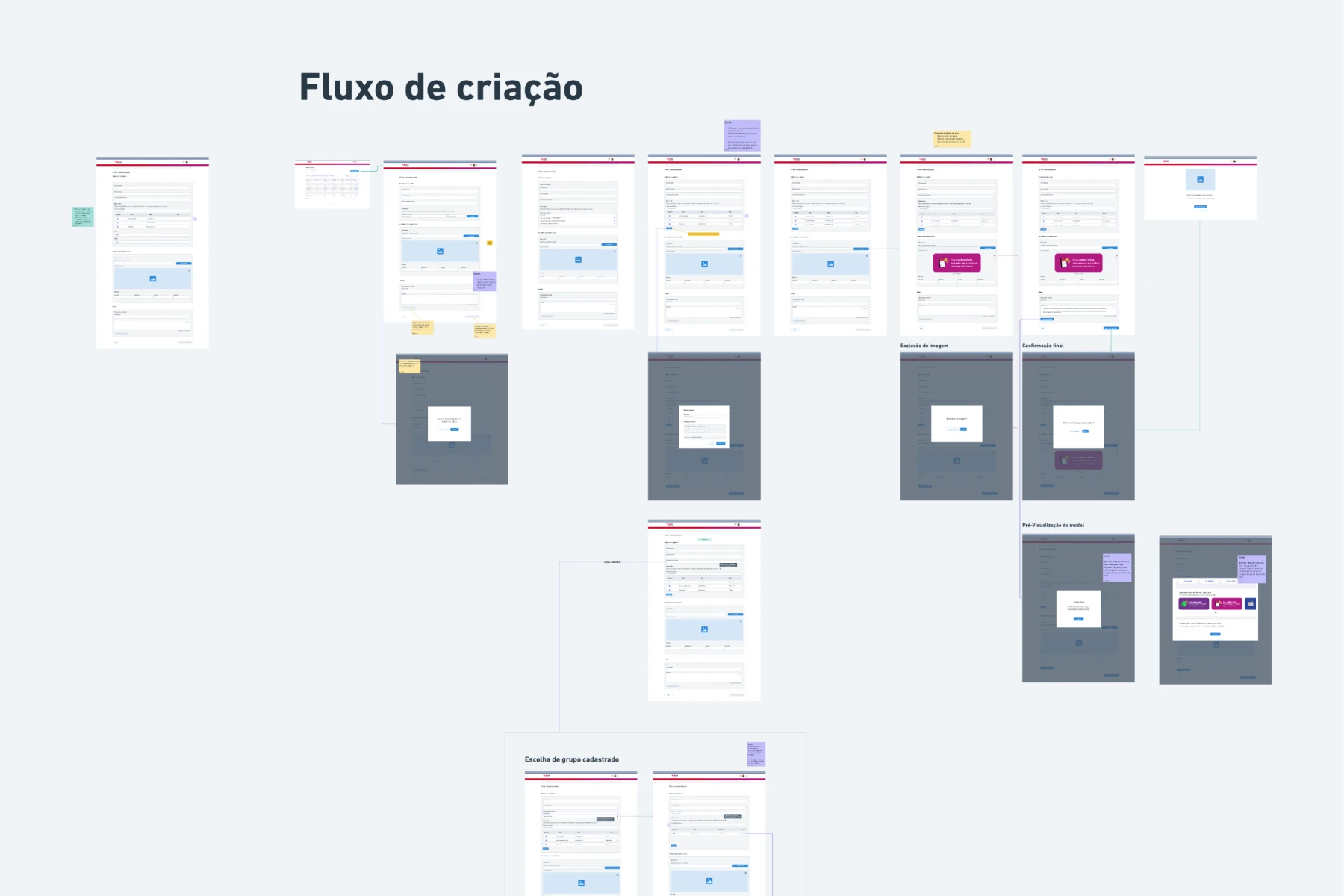
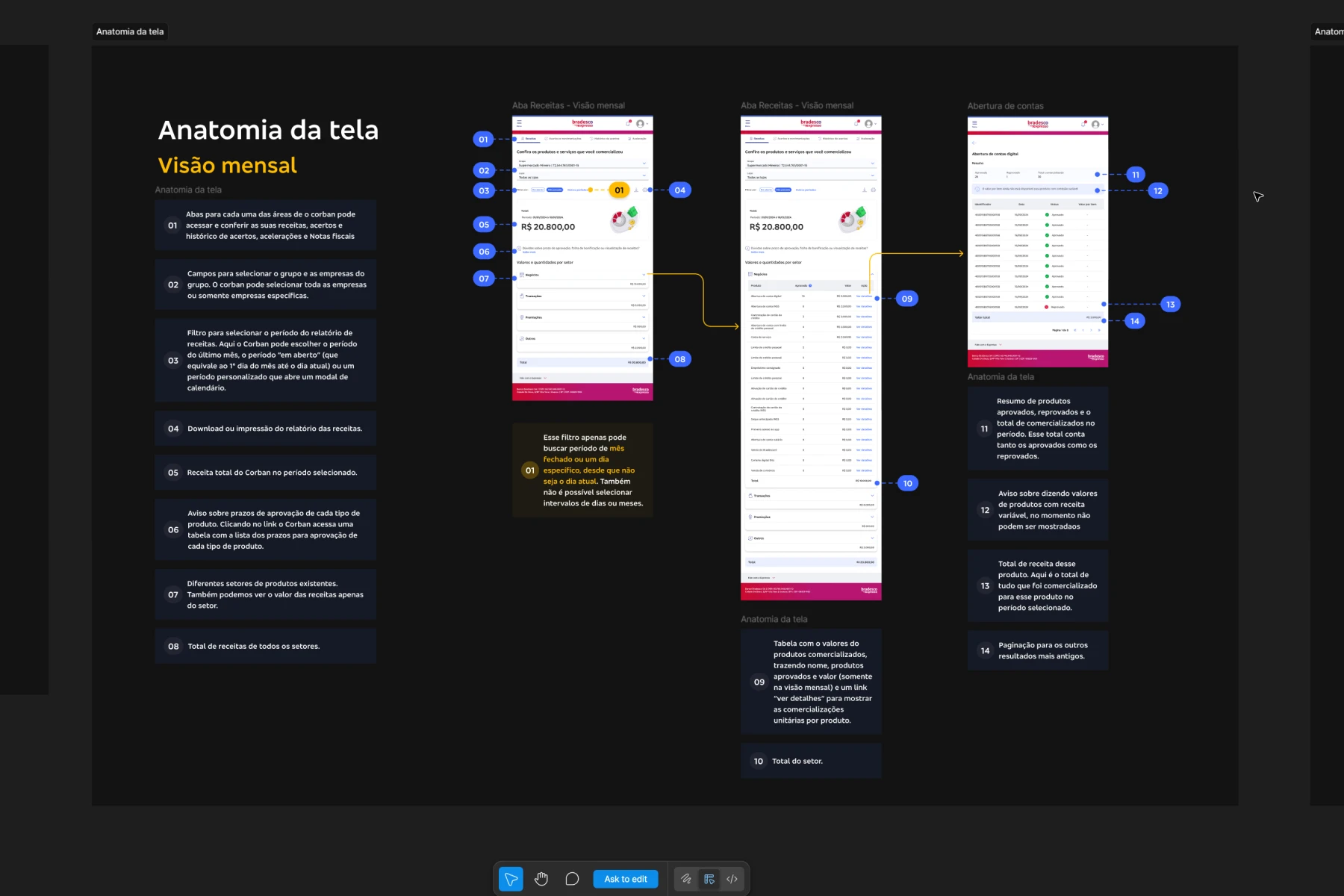
Besides the visual design, I take great care in organizing my files. I think mostly about how designers, developers, business stakeholders, and content teams talk to each other. All the screen flows and prototypes were first built in Adobe XD and later moved to Figma.
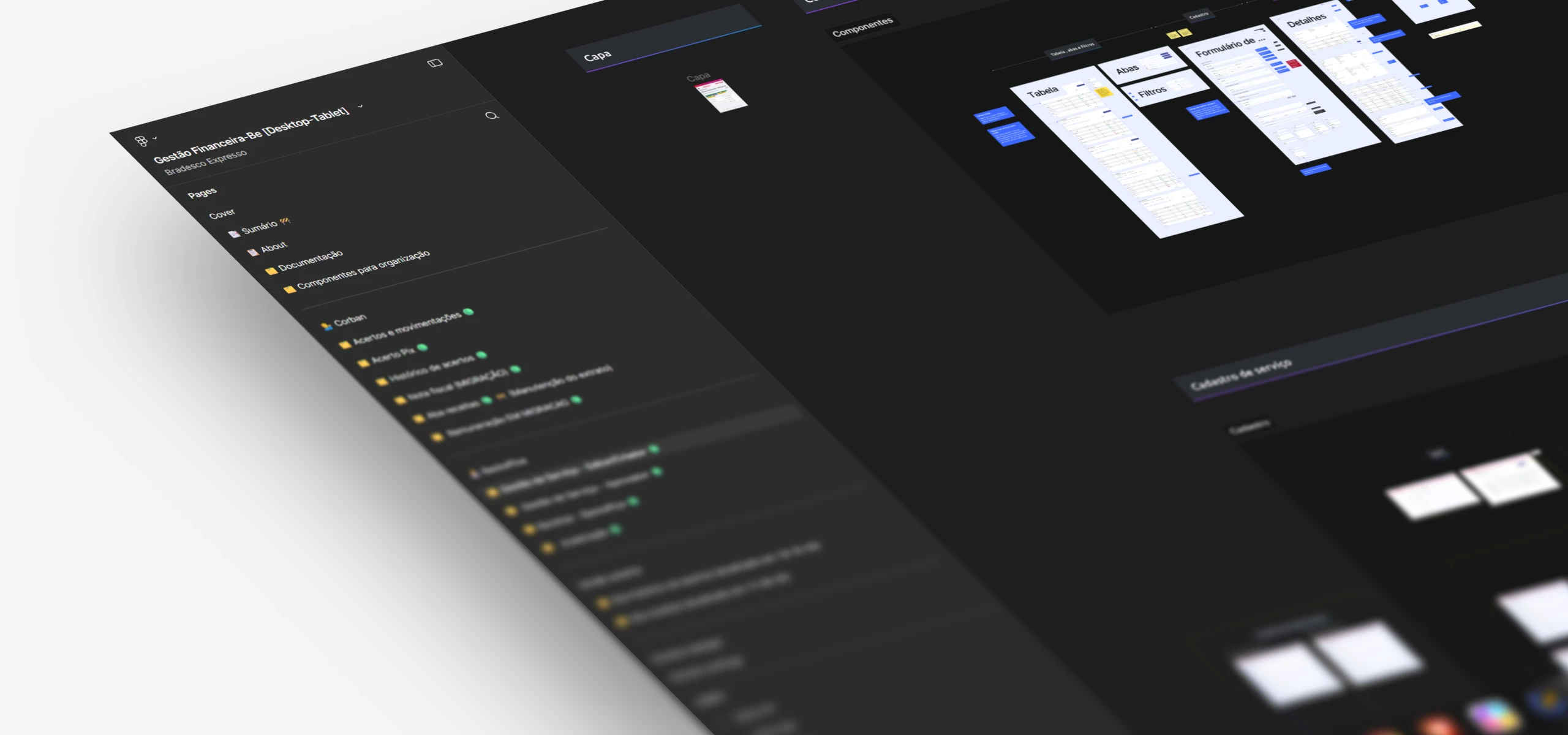
This setup made the files easier to maintain, reduced questions during coding, and made the process much better for everyone involved.
Results and impact
The project helped evolve a major platform used on a large scale. While I was on the project, the team delivered over 200 updates, and I was directly in charge of about 30 of them. The journeys we built served more than 8,000 clients.

The main result was creating clearer, more modern experiences that are ready for the product to grow.
For me, the thing I am most proud of in this project is bringing ease and technology to places and people with simpler lives, far from big cities and bank branches where it’s hard to find bank services. Bradesco Expresso brings access and income to people all over the country.
Design system and maintenance
I also helped organize visual rules and reusable parts for the product. This helped build a more solid base for future work.
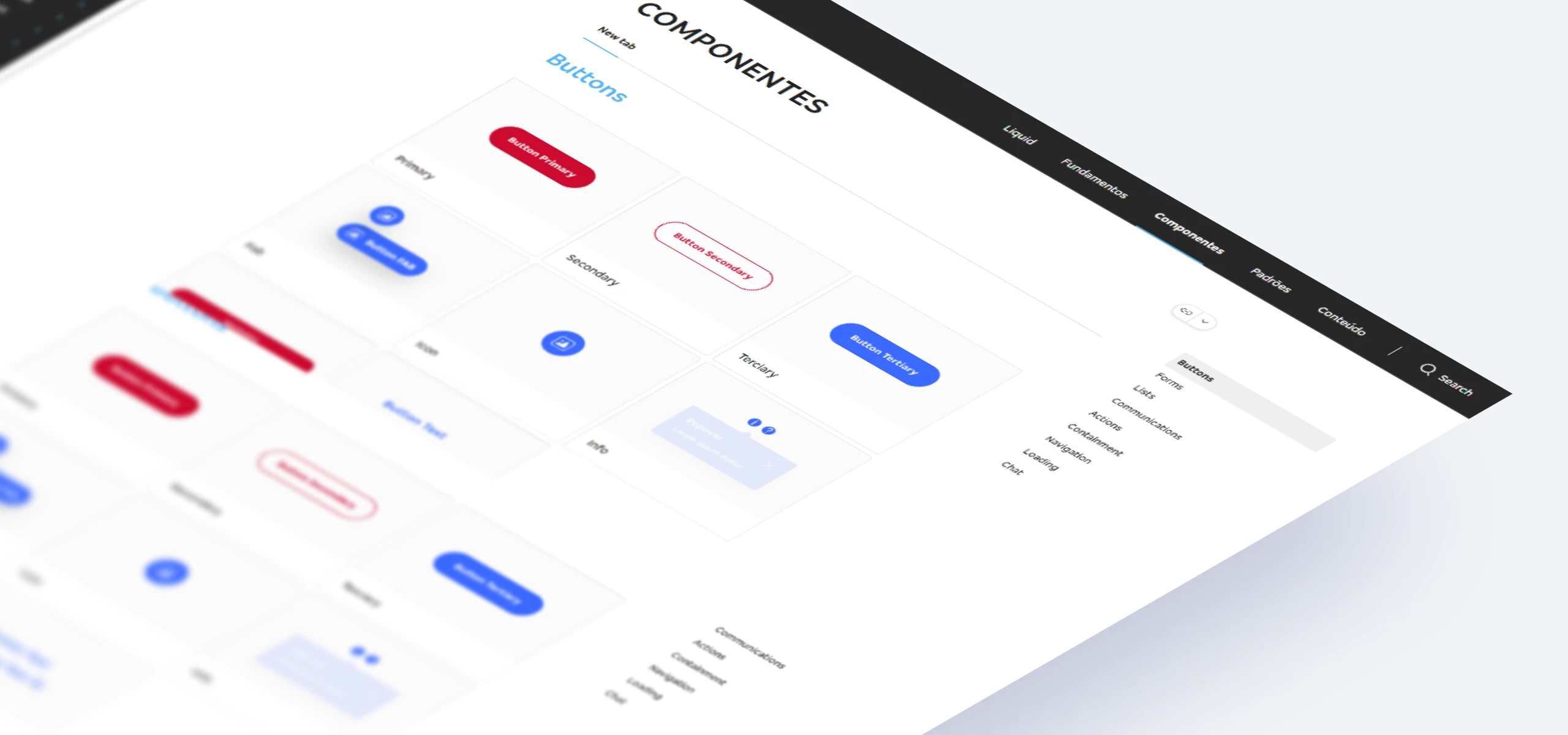
This work included common components, visual guides, and organizing elements to make updating and growing the platform much easier. When you have this kind of setup, the team can work faster, redo less work, and keep the design looking consistent across different steps.
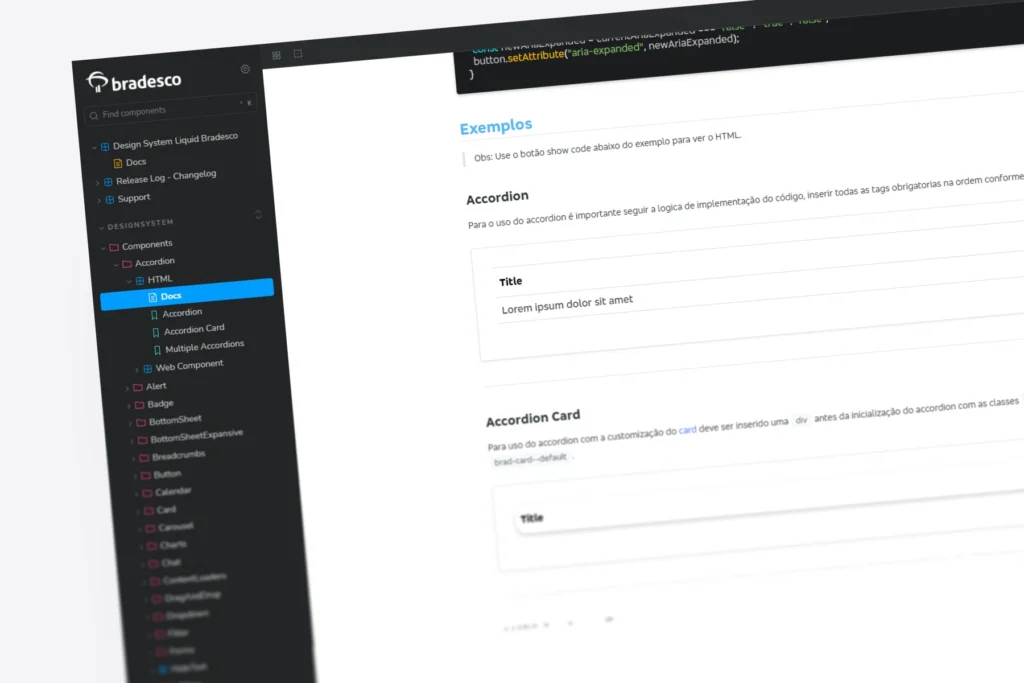
To wrap up the design system part: for a short time, I helped the bank’s Ops team write documentation for design components. I became a bridge for the Expresso designers, helping them answer questions on how to apply these components.
What I learned
This project made me much better at handling many requests at the same time. It also grew my view on how to work together in complex company environments. I also learned a lot about how to adapt my creative process to real, large-scale products, balancing business needs, tech limits, and user experience.
Another big lesson was understanding even more how important organization and communication between teams are for making digital projects succeed.

Conclusion
Helping modernize Bradesco Expresso was a chance to work on a huge product, with real business challenges and a direct impact on the daily lives of thousands of users. More than just drawing screens, my role was to help turn complex processes into clearer, more efficient, and lasting experiences.